
Everyday Essentials: Toothbrushes, Utensils, and More

It’s hard to imagine that daily items like toothbrushes, combs, and eating utensils can be fashioned from waste materials. Yet, that’s exactly what’s happening in the world of upcycling. Companies are taking plastics from the ocean, using aluminum and even discarded rubber to create useful everyday products.
These upcycled everyday essentials often come with a caveat: they are designed to be circular, meaning they can be recycled or upcycled again at the end of their life cycle. Brands like “Preserve” offer toothbrushes made of yogurt cups, and “The Ocean Cleanup” creates sunglasses from ocean plastic, ensuring that these materials are used for as long as possible before they are recycled yet again.
Vehicles Running on Recycled Parts
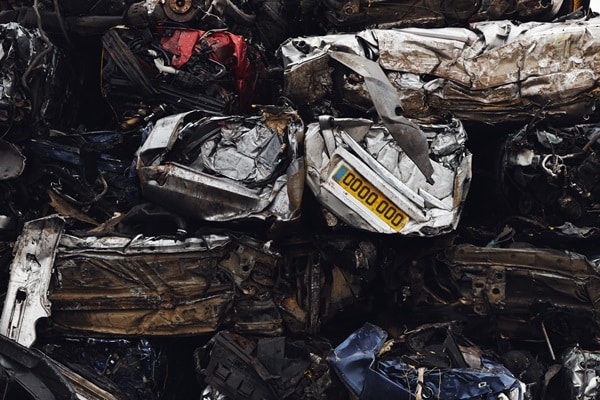
In an age where sustainability is not just an option but a necessity, even the automotive industry is stepping up. Various components of vehicles, such as tires, seat covers, and even dashboards, are being created using recycled or upcycled materials. This not only diverts waste from landfills but also reduces the manufacturing demand for new raw materials.
Pioneers in this field include companies like Tesla and BMW, who incorporate recycled aluminum and plastics into their car designs. Independent mechanics and hobbyists also contribute to this movement by retrofitting old vehicles with upcycled parts, demonstrating that innovation can come from industry giants and grassroots efforts.
Upcycled Water Sports Equipment

Water sports is yet another industry touched by the magic of upcycling. Surfboards, paddles, and even boats are made from waste materials like plastic bottles, fishing nets, and foam scraps. This doesn’t just contribute to environmental sustainability; it also provides a unique selling point for brands that specialize in these products.
Companies like “EcoBoards” and “Green Surf” have seized this opportunity to make eco-friendly equipment without compromising performance. By choosing upcycled water sports gear, enthusiasts enjoy their favorite activities and contribute to a cleaner, greener planet.
The Future of Upcycling: What Lies Ahead?
While upcycling has made significant strides, the future holds even more promise. Emerging technologies like 3D printing open new avenues for upcycling, making transforming waste into functional items easier. Moreover, consumer demand for sustainable products is on the rise, propelling industries to adopt upcycling as a viable strategy for production.
However, challenges remain. Legal regulations around waste management and consumer skepticism can hinder mainstream adoption. Therefore, it is crucial to continue raising awareness about the potential of upcycling while pushing for policy changes to facilitate this transformative process.
The Bottom Line
The journey from trash to treasure is a compelling narrative of our times, showcasing humanity’s ingenuity in the face of environmental challenges. This article has taken readers on a fascinating tour of popular items made out of trash, each example illuminating the boundless creative and practical potential of upcycling. These examples serve as a testament to a growing movement that seeks to redefine waste not as an endpoint but as a starting point for something new and valuable. As the world continues to grapple with the pressing issue of waste management, upcycling stands as a beacon of sustainable innovation, inviting us to partake in the transformative journey toward a more sustainable future.