

Economic And Social Factors
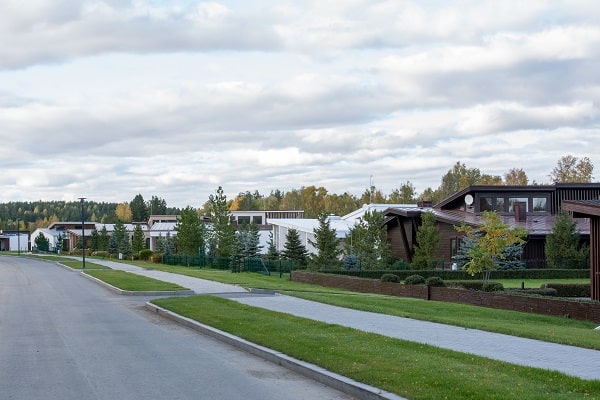
The allure of living close to nature has driven many to build homes and communities in fire-prone areas. The Western US, with its scenic landscapes and vast open spaces, has seen a surge in development. However, this comes with risks. Building in these regions increases the chances of human-caused fires and places more people and property in harm’s way.
Economic factors play a significant role in this trend. Land in these areas is often cheaper, and there’s a demand for homes with picturesque views. But there’s a hidden cost. As more people move into these regions, the strain on resources increases, especially during fire season. Once willing to cover homes in these areas, insurance companies are now rethinking their policies, given the escalating costs of wildfire damage.
The Role Of Wind Patterns

While a natural element, wind can be a formidable adversary during wildfire season. In the Western US, certain wind patterns, like the Santa Ana winds, can turn a small fire into a raging inferno. These winds, known for their dryness and speed, can carry embers for miles, igniting new fires far from the source.
Changing global climate patterns have also influenced local wind patterns. As the planet warms, these winds are becoming more unpredictable and intense. For firefighters on the front lines, battling the flames becomes even more challenging when faced with rapidly shifting and powerful winds. The role of these winds in the spread and intensity of wildfires cannot be understated.
Firefighting Challenges And Resources

Fighting wildfires is no small feat. The rugged terrains of the Western US, combined with the rapid spread of fires, pose significant challenges. Firefighters often find themselves battling not just the flames but also the elements, with shifting winds and extreme temperatures adding to the complexity.
Resources in terms of personnel and equipment are often stretched thin during peak fire seasons. With multiple fires burning simultaneously, prioritizing which fires to tackle becomes daunting. Advances in technology, from drones to advanced fire prediction models, are aiding in these efforts. However, recent fires’ sheer scale and intensity have highlighted the need for more resources and a reevaluation of current firefighting strategies.
The Impact On Communities And Ecosystems

The immediate aftermath of a wildfire is evident – charred landscapes, destroyed homes, and displaced communities. But the impact of these fires extends beyond the immediate destruction. Residents face health challenges from poor air quality, with smoke and particulates posing respiratory risks.
Ecologically, the consequences are profound. Wildfires can decimate habitats, leading to a loss of biodiversity. The scorched earth left behind is vulnerable to erosion, affecting water quality in nearby rivers and streams. While nature has a remarkable ability to recover, the increasing frequency and intensity of fires are pushing ecosystems to their limits, with some species struggling to adapt to the changing landscape.
The Bottom Line
The wildfires that ravage the Western US every year are a culmination of various factors, from natural to human-made. While fires have always been a part of the landscape, the scale and intensity of recent events are unprecedented. Addressing this challenge requires a holistic approach, understanding the interconnectedness of each contributing factor. As the flames illuminate the night sky, they also shed light on the urgent need for proactive measures, adaptation, and a collective effort to mitigate future risks.