Atmospheric rivers, while not as well-known as other meteorological phenomena, play a crucial role in our planet’s weather patterns and climate. These relatively narrow regions in the atmosphere transport water vapor from the tropics toward the poles, often resulting in significant rainfall when they make landfall. Understanding atmospheric rivers is important for meteorologists and anyone interested in climate change, water supply, and disaster management. This blog post will delve into the science behind atmospheric rivers, their impact on weather and climate, and the risks and benefits they present.
Contents
Defining Atmospheric Rivers
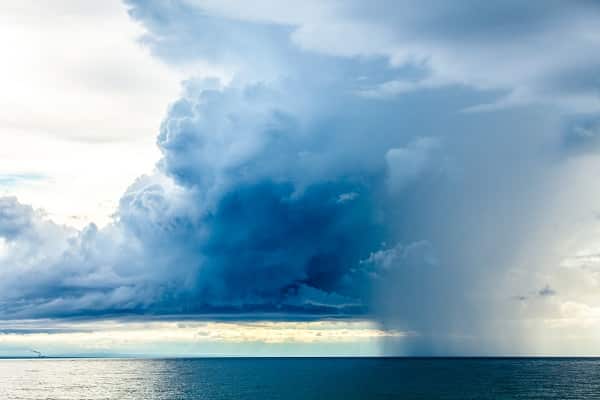
Atmospheric rivers are long, narrow regions in the atmosphere that transport water vapor from the tropics toward the poles. They are typically a few hundred kilometers wide and can extend thousands of kilometers. Despite their name, atmospheric rivers are not visible bodies of water in the sky. Instead, they are bands of the atmosphere with high water vapor concentrations moving with the wind.
The formation of atmospheric rivers involves complex interactions between air, water, and heat. When warm, moist air from the tropics rises, it cools and condenses to form clouds and precipitation. The remaining air, now drier and cooler, descends and warms, creating a high-pressure system. This cycle, known as a Hadley cell, creates wind patterns that can carry moisture away from the tropics. When these winds align just right, they form an atmospheric river.
The Science Behind Atmospheric Rivers

The science behind atmospheric rivers involves understanding the principles of meteorology and climatology. These rivers in the sky form when the atmospheric pressure differences drive winds that carry water vapor. The water vapor is primarily sourced from the warm tropical oceans. As this moist air moves towards the poles, it carries a significant amount of moisture, equivalent to the flow of many terrestrial rivers.
The temperature plays a crucial role in the formation and behavior of atmospheric rivers. Warmer air can hold more water vapor, so as global temperatures rise due to climate change, the capacity of atmospheric rivers to carry moisture is also expected to increase. This is one of the reasons why scientists are keenly interested in studying atmospheric rivers and their potential impacts on future weather and climate patterns.
The Role of Atmospheric Rivers in Weather Patterns
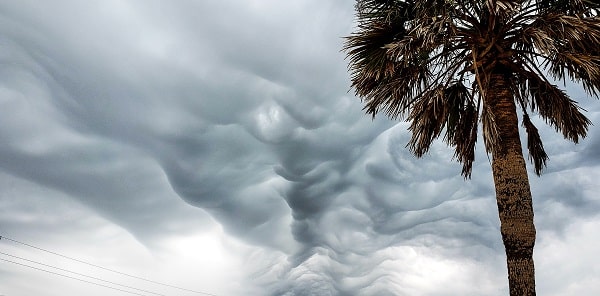
Atmospheric rivers significantly impact weather patterns, both locally and globally. When these rivers in the sky make landfall, they often cause heavy precipitation. This is because as the warm, moist air is forced to rise by the terrain, it cools and condenses, forming clouds and rain. Most of the heavy rainfall and snowfall events on the west coasts of continents are due to atmospheric rivers.
On a global scale, atmospheric rivers are crucial in distributing heat and moisture. They help moderate the climate by moving heat from the equator towards the poles. Without atmospheric rivers, the tropics would be much hotter, and the polar regions would be much colder. Therefore, understanding atmospheric rivers is key to understanding our planet’s complex weather and climate systems.
The Impact of Atmospheric Rivers on Climate

Atmospheric rivers play a significant role in the Earth’s climate system. They transport heat and moisture from the tropics to the poles, helping to regulate the Earth’s temperature. This heat transport is a crucial component of the Earth’s climate system, as it helps to balance the excess heat received at the equator and the deficit at the poles. Without atmospheric rivers, the Earth’s climate would be much more extreme, with hotter tropics and colder polar regions.
In addition to heat transport, atmospheric rivers play a crucial role in the global water cycle. They are responsible for a significant portion of the horizontal moisture transport outside the tropics. When atmospheric rivers make landfall, they often produce heavy precipitation, essential for replenishing water supplies in many regions. However, they can also lead to extreme weather events, such as floods and landslides, highlighting their complex role in our climate system.
Atmospheric Rivers and Precipitation

Atmospheric rivers are a major driver of extreme precipitation events, particularly in western coastal regions of continents. When an atmospheric river makes landfall, it can release an enormous amount of water. The rising, moisture-laden air cools and condenses, forming clouds and precipitation. Atmospheric rivers are responsible for up to 50% of the annual precipitation in some regions, making them critical for water supply.
However, the intense rainfall associated with atmospheric rivers can also lead to severe flooding, particularly if the landfall coincides with other weather systems or the river stalls over a particular area. For example, atmospheric rivers have been linked to all major flood events in California over the past 40 years. Thus, while atmospheric rivers are crucial for water supply, they also represent a significant flood risk.