
The Human Impact Of Heatwaves

Heatwaves pose a significant threat to human health. Heat already kills more people in the US than any other weather-related disaster. As temperatures soar, the risk of heat-related illnesses such as heat exhaustion and heatstroke increases, particularly for vulnerable populations like the elderly, children, and those with chronic illnesses. These health risks are further exacerbated when power outages occur, leaving people without the means to cool down.
The threat to human health from heat waves is expected to worsen with climate change. As global temperatures continue to rise, heat waves are predicted to become more frequent and intense. This trend underscores the urgent need for effective heat management strategies, including reliable access to electricity for cooling.
The Global Impact Of Heatwaves

The challenges posed by heat waves are not confined to North America. Countries around the world are grappling with similar issues. For instance, Mexico’s National Center for Energy Control declared a state of emergency last summer when temperatures soared above 113 degrees Fahrenheit, triggering record electricity demand. Similarly, in India and China, home to more than a third of the world’s population, heatwaves have strained health resources and power grids since April.
These global experiences highlight the widespread nature of the problem and the need for international cooperation in addressing the challenges posed by heat waves. As the world continues to warm, developing robust, climate-resilient energy systems will be crucial to ensuring energy security and protecting public health.
Mitigation Measures

In the face of potential energy shortages during heatwaves, there are several measures that individuals and communities can take to help alleviate the strain on the power grid. Simple actions such as turning off lights and appliances when not in use, raising the thermostat a few degrees, and keeping blinds closed to block out sunlight can make a significant difference. These steps not only reduce energy demand but also help to prevent blackouts.
Many cities also set up cooling centers where people can find air conditioning to stay safe and healthy during heat waves. These centers are particularly important for those who do not have access to air conditioning at home or who are particularly vulnerable to heat. In addition to these measures, fans can help circulate cool air, although they might stop being helpful if indoor air temperatures get hotter than your body temperature.
The Future Of Energy In A Warming World
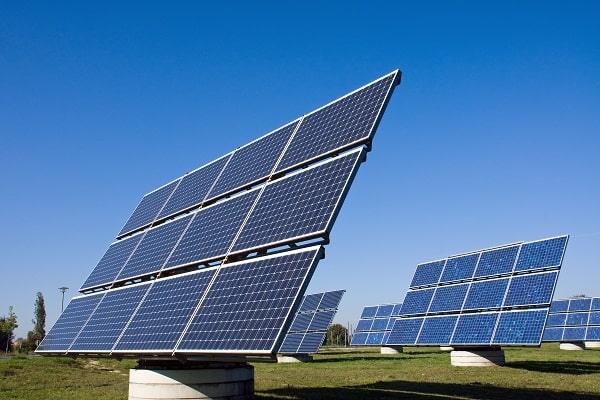
The challenges posed by heat waves will likely become more severe as the world continues to warm due to climate change. This reality underscores the need for more resilient energy systems to withstand the increased demand and reduced supply conditions of extreme heat. Potential solutions include:
- Improving energy efficiency
- Investing in more robust and interconnected power grids
- Increasing the use of renewable energy sources
In addition to these systemic changes, there is also a need for innovation in cooling technologies. For instance, developing air conditioning systems that are more energy-efficient or that use alternative energy sources could help reduce the demand for electricity during heat waves. Similarly, advances in energy storage technology, such as batteries, could help ensure a steady electricity supply even when demand is high.
Navigating The Energy Challenges Of A Warming World
The potential for energy shortages during heat waves is a pressing issue that requires urgent attention. As the experiences of North America and other parts of the world have shown, the combination of increased demand for cooling and reduced energy production capacity under extreme heat can strain power grids to the point of failure.
While individual and community-level actions can help mitigate the impact, systemic changes to our energy systems are needed to ensure resilience in the face of a warming world. As we move forward, developing robust, climate-resilient energy systems will be crucial to ensuring energy security and protecting public health in the face of increasingly frequent and intense heat waves.